Electrical repairs. Fixed right.
Tripping breakers, dead outlets, flickering lights, burning smells from the panel, GFCIs that won’t reset. We diagnose the actual cause, fix it once, and document what we did. Same-week response for most non-emergency residential repairs.
A repair done once is cheaper than a repair done four times.
Most residential electrical problems have one specific cause. Tracing it takes 30 minutes with a meter; fixing it takes another hour. The reason these issues become recurring “we keep losing power to that outlet” stories is because someone reset the breaker, didn’t find the cause, and assumed it was over.
The five most common residential repairs we see weekly: (1) a 20-amp breaker tripping under a moderate load. usually a circuit pulled past its load capacity, sometimes a degraded breaker, occasionally a hidden short in the wiring. (2) Dead outlets in a string. usually a backstabbed connection that came loose, sometimes a tripped GFCI upstream nobody knew protected the circuit. (3) Flickering lights. loose neutral somewhere in the run, dimmer-to-LED incompatibility, or a high-draw appliance starting on the same circuit. (4) A burning smell from the panel. almost always a loose lug or a corroded breaker terminal, occasionally a worn-out main breaker that needs replacement. (5) A GFCI that won’t reset. either a real ground fault on the circuit (find it), a failed GFCI (replace it), or a moisture-affected outlet (dry it out).
We diagnose first, fix second. We don’t guess. We don’t replace parts because “it might be that.” We trace the actual cause with a meter, fix the specific failure, and document what we did so the next electrician (or you) knows what was done.
For non-emergency residential repairs, we respond same-week. For active fire-risk situations (smell, sparks, popping sounds from the panel), we treat as emergency and respond same-day. See our emergencies page for the active-risk protocol.
- Typical scope
- Breaker · outlet · GFCI · flicker · burning smell · load redistribution
- Typical timeline
- Same week typical · same day for active fire risk
- How we bill it
- Diagnostic first · then parts and how far the fault has to be traced
- Permit
- Pulled when required (rare on repairs)
- Inspection
- Coordinated when required
- Warranty
- 2 years labor · pass-through manufacturer warranty on replacement parts
Common repairs we run every week.
Tripping breaker diagnosis
Clamp meter on the circuit while you reproduce the problem. Tells us in 5 minutes whether it’s overload, short, weak breaker, or arc-fault. Fix accordingly.
Dead outlet repair
Trace the circuit upstream, find the failed connection (almost always a backstabbed connection at an outlet or a tripped GFCI), repair the failure, restore power.
GFCI fault diagnosis
Real ground fault (somewhere on the circuit), failed GFCI device (replace), or moisture intrusion at an outdoor outlet (dry and reseal). Each gets a different fix.
Flickering light diagnosis
Loose neutral somewhere in the run, dimmer-LED incompatibility, or starting-current draw from another appliance. We find which and fix it.
Panel hot spot / burning smell
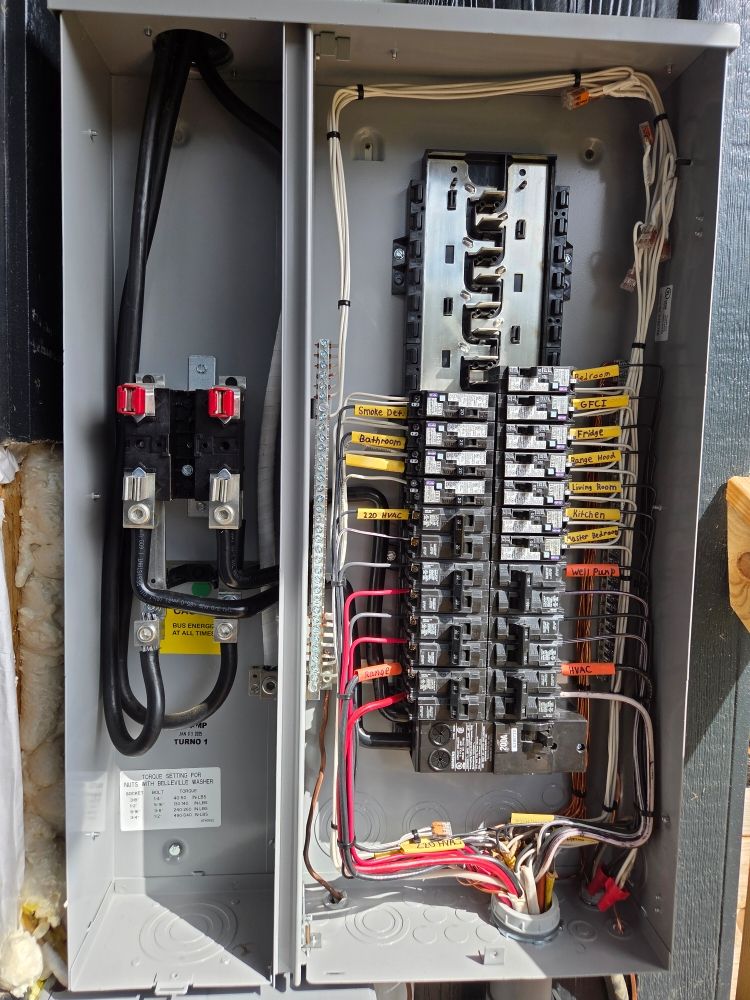
IR camera at the panel under load to find the loose lug or hot terminal. Torque to spec, replace the breaker if the terminal is heat-damaged, redocument the circuit directory.
Load redistribution
When a single circuit is consistently overloaded, redistributing high-draw devices across multiple circuits (or adding a new circuit) fixes the problem permanently instead of chasing breaker trips.
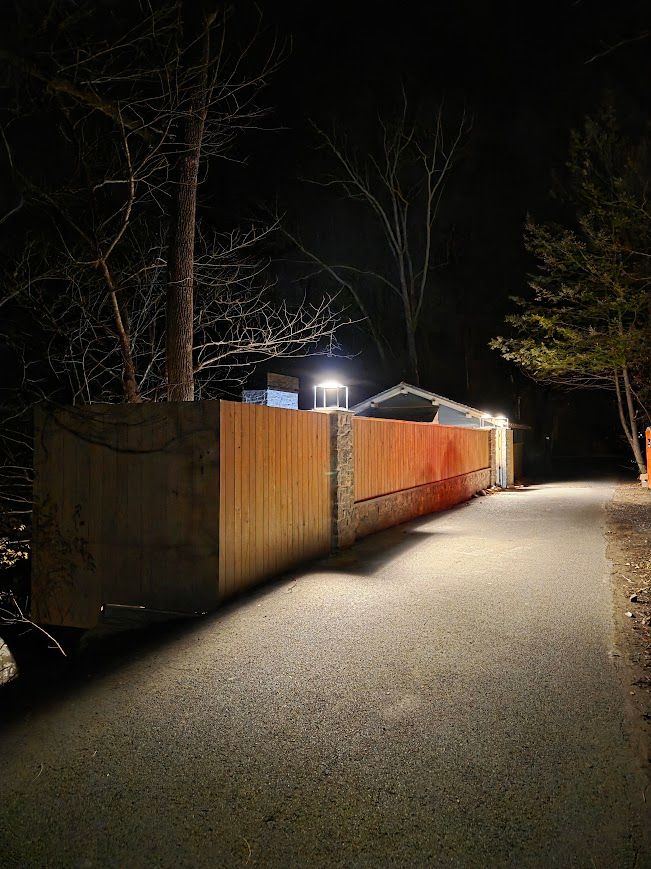
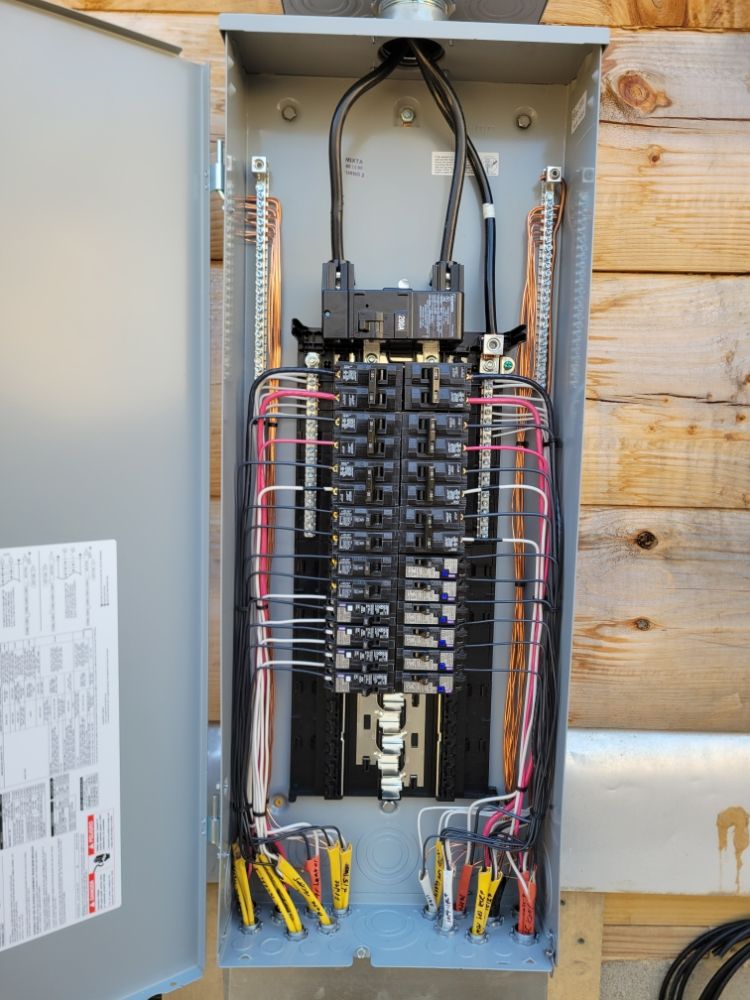
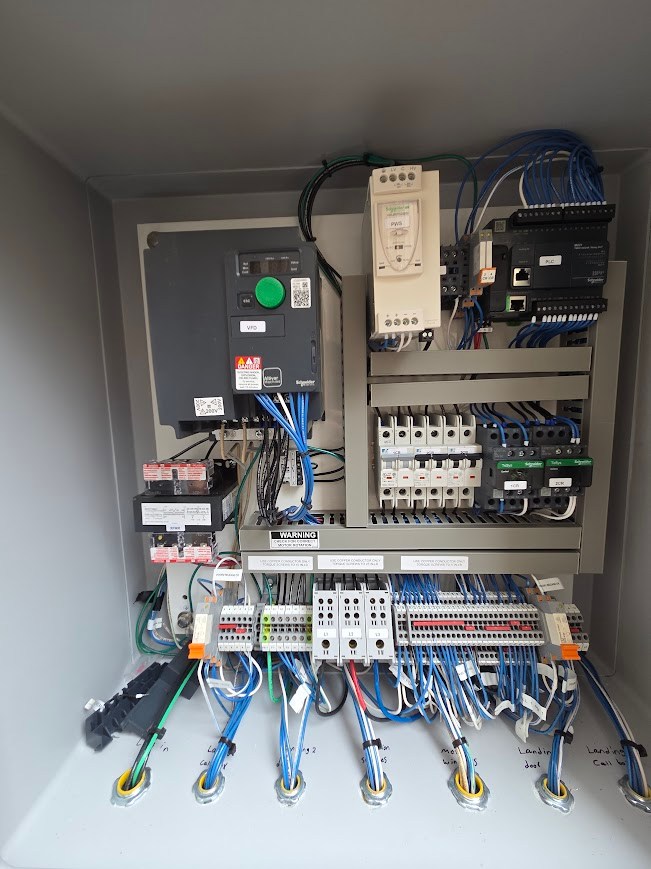
Field log.
Where we install this.
Same-day truck rolls across the East Tennessee corridor. Sevier, Knox, Blount, Jefferson, and Cocke counties primarily.
- Sevierville, TN
- Pigeon Forge, TN
- Gatlinburg, TN
- Knoxville, TN
- Farragut, TN
- Powell, TN
- Maryville, TN
- Alcoa, TN
- Seymour, TN
- Townsend, TN
- Dandridge, TN
- Jefferson City, TN
Five steps. No surprise invoices.
Text or call us first
Describe the job. We follow up with a phone chat to scope it, then we send your quote. Same-day for most residential.
On-site walk-through
For larger jobs, we come out, look at the panel, and talk through what you actually want. Free. No “let me get back to you.”
Itemized quote
Every line item priced. Materials, labor, permit, inspection. You see exactly where the dollars go before you sign anything.
Job day · permits handled
We pull permits, coordinate with the county inspector, and arrive when we said we would. We protect your floors. We label every breaker. We test every circuit before we leave.
Inspection & sign-off
Inspector signs off, we walk you through what changed, we hand over the documentation. If anything ever flickers, you have our cell.
A breaker kept tripping every time the dryer ran. Two other electricians replaced the breaker and the dryer cord; problem came back. Volt Pro put a clamp meter on the circuit, found a loose neutral at the wall connector, fixed the actual cause, and it hasn’t tripped in 18 months.
Five things we get asked every week.
How fast can you respond to a non-emergency repair?
My breaker keeps tripping. should I just replace it?
What does a typical electrical repair cost?
My GFCI won’t reset. what does that mean?
I smell something burning at the panel. what should I do?
Got something acting up? Tell us.
On-site walk-through within the week. Itemized quote before any work starts.
If it shocks you, we got you. A licensed Tennessee electrician serving Sevierville, Knoxville, and the Smoky Mountains corridor.