Troubleshooting. Find the cause.
Intermittent faults, mystery outages, voltage drops on long runs, ghost current, dim-flicker. Diagnostic-first work where the symptom is unclear and the previous “fix” didn’t hold. We put a meter on the actual circuit and we don’t leave until we know what is wrong.
A symptom is not a cause.
The phrase “an electrician already looked at it” usually means “an electrician replaced a part and the problem came back.” Real diagnostics means putting a meter on the actual circuit, reproducing the failure, and finding the specific cause. Once you know the cause, the fix is obvious. Without the cause, you’re guessing with parts.
We get called on troubleshooting work when something has been “fixed” two or three times and the problem keeps returning. Intermittent breaker trips, voltage drops at the far end of a circuit that only happen under load, ghost current readings on de-energized circuits, dim-flicker that only happens at certain times of day, GFCI nuisance trips that nobody can isolate. These are the jobs where parts-swapping never solves it.
Our diagnostic kit covers the cases. A Fluke 87V meter for voltage and continuity. A Fluke 902 FC clamp meter for current under load. A Fluke 9040 phase rotation indicator for three-phase commercial issues. A FLIR thermal camera for hot spots in panels and at lug connections. A circuit tracer for finding home runs in buried walls. A megger for insulation resistance on long runs and motors. We pick the right tool for the symptom, reproduce the failure, and find the actual cause.
Most troubleshooting visits take 1-3 hours. Some take longer when the failure is intermittent and we have to wait for it to happen. We charge for diagnostic time honestly. you pay for what it actually takes, not a flat-rate that assumes 30 minutes. The fix that follows is then a real fix, not a guess.
- Typical scope
- Intermittent · voltage drop · ghost current · circuit trace · IR · megger
- Typical timeline
- 1-3 hours typical · longer for intermittent faults
- How we bill it
- Honest hourly diagnostic · written quote before any repair starts
- Permit
- Pulled when required for follow-on repair
- Inspection
- Coordinated when required for follow-on repair
- Warranty
- 2 years labor on the fix that follows · diagnostic itself is the deliverable
Diagnostic capabilities.
Intermittent fault diagnostics
Symptoms that come and go are the hardest to fix because the part that’s failing isn’t obviously broken when you look at it. We use thermal imaging under load, vibration analysis on motors, and circuit-monitor loggers that record over hours or days.
Voltage drop analysis
Long runs lose voltage. NEC says 3 percent drop on a circuit, 5 percent total to the load. When fixtures look dim or motors run hot, we measure the actual drop end-to-end and either upsize the conductor, add a sub-feed, or relocate the load.
Ghost current diagnosis
Voltage readings on de-energized circuits caused by induced current from adjacent live conductors. We isolate the source, separate the runs, and confirm clean reading.
Circuit tracing + mapping
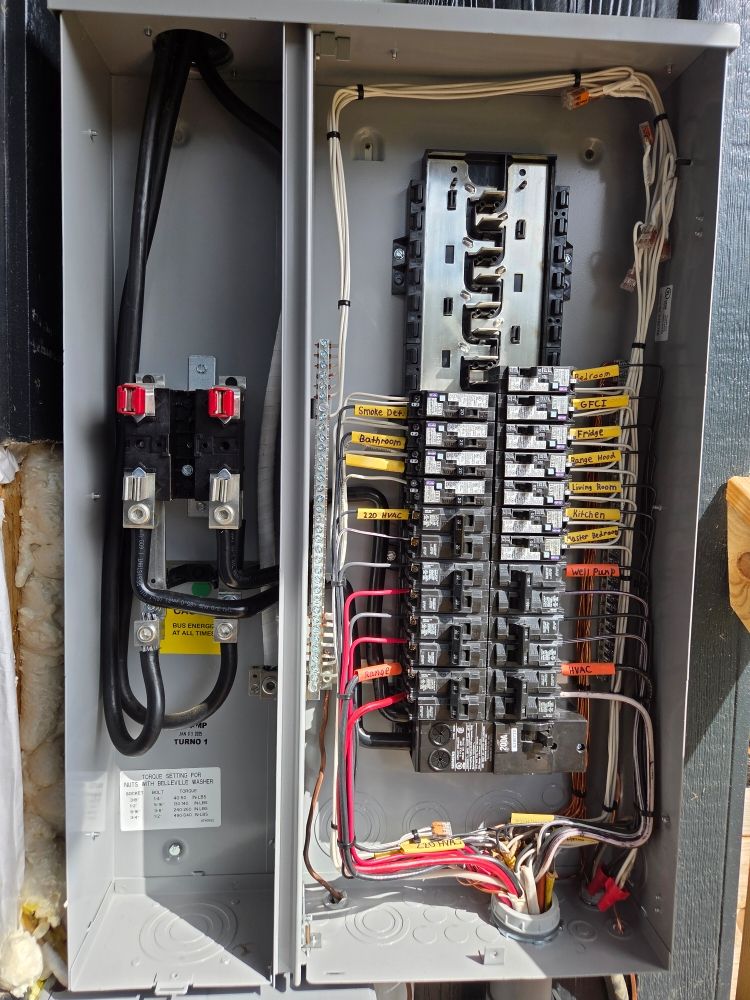
When the panel directory is wrong (most are), we use a circuit tracer to map every outlet, switch, and fixture to its actual breaker. Critical before any panel work and useful for general property documentation.
IR thermography
FLIR thermal camera on energized panels and connections. Loose lugs, corroded terminals, and unbalanced loads all show up as hot spots before they fail visibly.
Insulation resistance testing
Fluke megger on motor windings, long underground runs, and pool/spa circuits. Predicts failures and isolates faults that show up only under load.
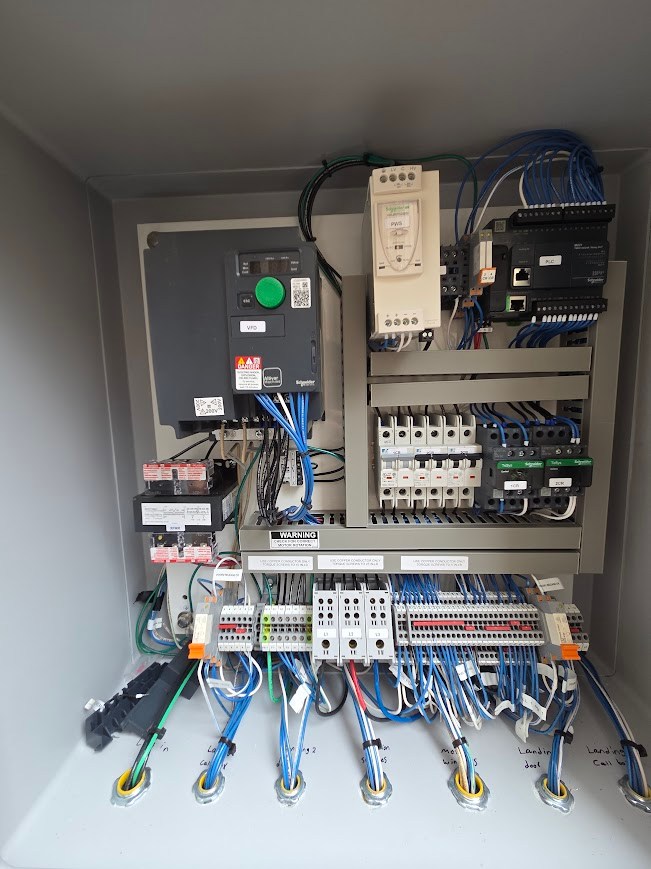
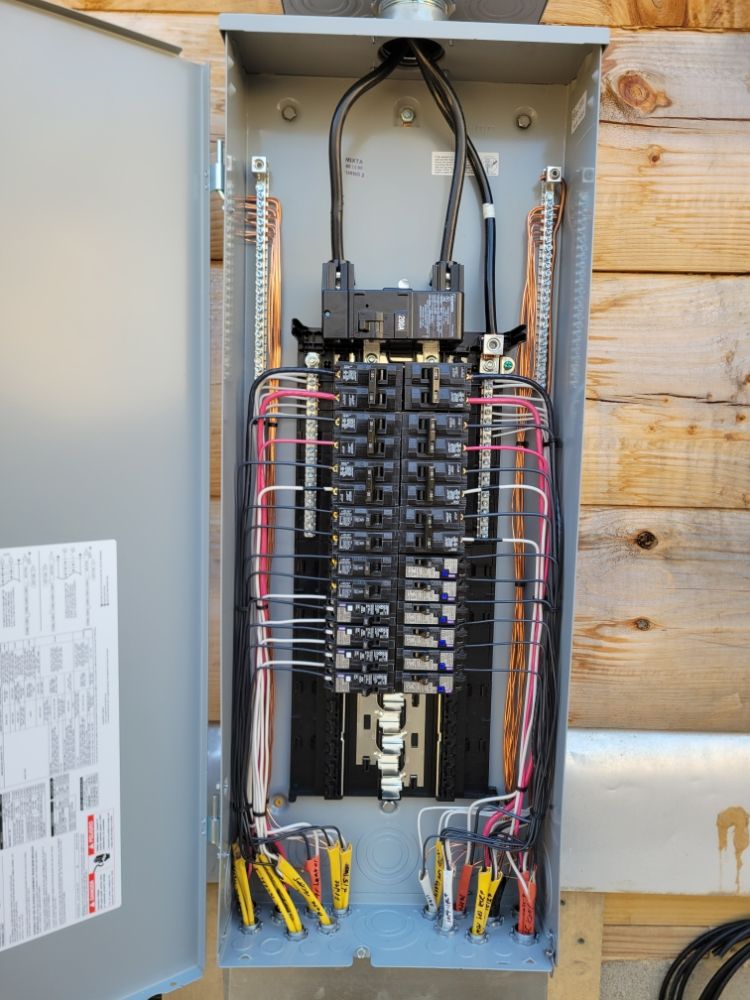
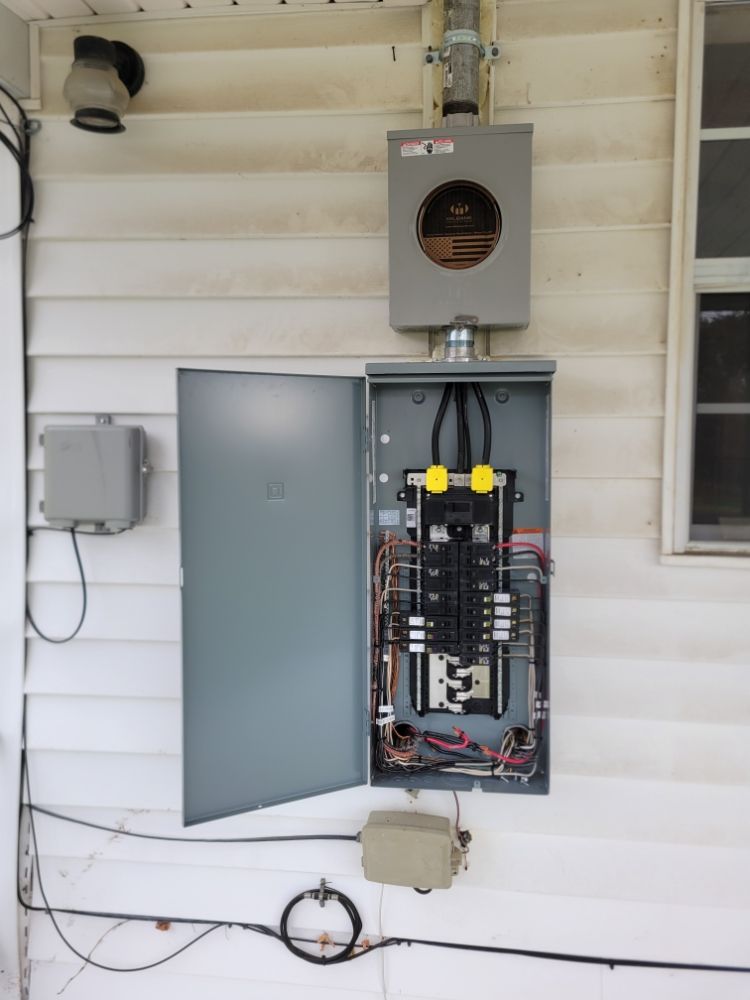
Field log.
Where we install this.
Same-day truck rolls across the East Tennessee corridor. Sevier, Knox, Blount, Jefferson, and Cocke counties primarily.
- Sevierville, TN
- Pigeon Forge, TN
- Gatlinburg, TN
- Knoxville, TN
- Farragut, TN
- Powell, TN
- Maryville, TN
- Alcoa, TN
- Seymour, TN
- Townsend, TN
- Dandridge, TN
- Jefferson City, TN
Five steps. No surprise invoices.
Text or call us first
Describe the job. We follow up with a phone chat to scope it, then we send your quote. Same-day for most residential.
On-site walk-through
For larger jobs, we come out, look at the panel, and talk through what you actually want. Free. No “let me get back to you.”
Itemized quote
Every line item priced. Materials, labor, permit, inspection. You see exactly where the dollars go before you sign anything.
Job day · permits handled
We pull permits, coordinate with the county inspector, and arrive when we said we would. We protect your floors. We label every breaker. We test every circuit before we leave.
Inspection & sign-off
Inspector signs off, we walk you through what changed, we hand over the documentation. If anything ever flickers, you have our cell.
A motor on our pump system kept burning out every 6 months. Two electricians replaced the motor twice. Volt Pro put a megger on the run, found the underground conductor was leaking to ground at one specific spot, dug it up and repaired it. Motor has been running for 14 months without issue.
Five things we get asked every week.
When should I call for troubleshooting vs a regular repair?
What does troubleshooting cost?
What tools do you use for diagnostics?
Can you do troubleshooting on commercial three-phase systems?
How long do troubleshooting visits take?
Stuck on a recurring electrical problem?
On-site walk-through within the week. Itemized quote before any work starts.
If it shocks you, we got you. A licensed Tennessee electrician serving Sevierville, Knoxville, and the Smoky Mountains corridor.